
Can I Still Play? How to Rebuild Your Musical Confidence After a Long Break
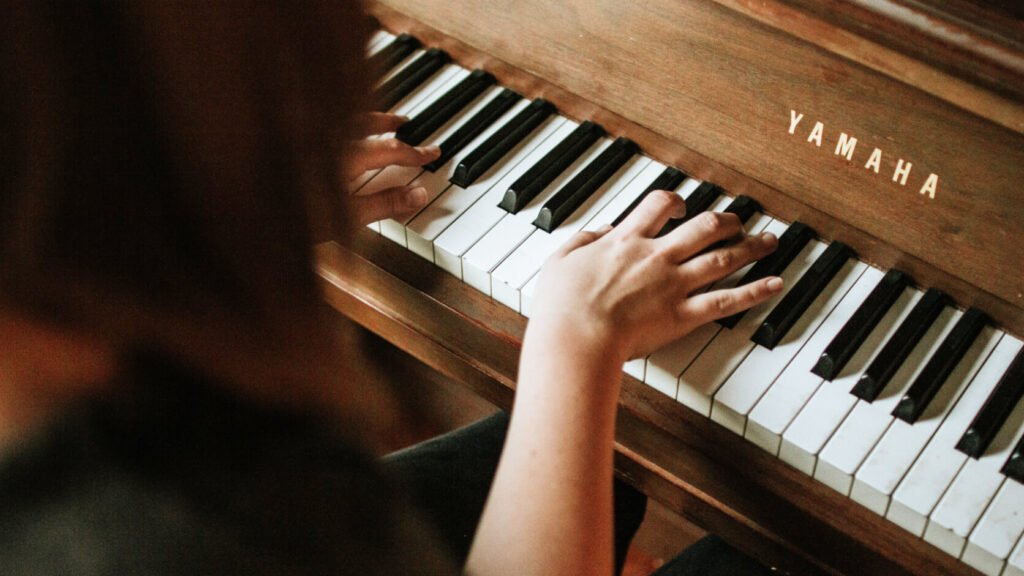
You pull the case out from the back of the closet. The latches are a bit stiff, and when you pop them open, that familiar, nostalgic smell of wood, brass, or guitar polish wafts up.
You pick up the instrument, sit down, and try to play a song you used to know by heart.
Then it happens: your fingers feel like lead, your muscle memory hesitates, a chord buzzes, or your embouchure gives out after five minutes. A little voice whispers in your head: “Maybe I’ve lost it. Can I even still play?”
If you’re returning to music after five, ten, or thirty years away, that instant wave of frustration is entirely normal. But here’s the truth: your musicality hasn’t disappeared, it’s just rusty. Rebuilding your chops and your confidence isn’t about starting from scratch; it’s about learning how to enjoy the journey back.
Here is how to shake off the rust, quiet the self-doubt, and feel like a musician again.
1. Separate “Musical Intelligence” from “Physical Muscle Memory”
The biggest trap returning musicians fall into is expecting their hands to execute what their brain still understands.
Your ear, your taste, and your understanding of song structure are likely as sharp as ever, maybe even sharper, thanks to a lifetime of listening. Your hands and lip muscles, however, simply haven’t had the workout.
- Accept the gap: Realize that physical stamina and dexterity take time to rebuild.
- Short sessions beat marathon sessions: Playing for 15 to 20 minutes every day rebuilds strength and fine motor skills far faster and with much less physical strain than an intense two-hour session once a week.
2. Drop the “Past You” Benchmarks
It’s easy to compare yourself to the 18-year-old version of you who practiced two hours a day after school. But competing with your past self is a fast track to disappointment.
Instead of trying to play your old peak repertoire right away, start with music that is well below your historical skill level:
- Pick simple three-chord progressions, easy rhythm patterns, or basic melodies.
- Focus on tone and feel rather than speed or complexity.
- Celebrate making a single chord sound full, rich, and clean.
When you strip away the pressure to perform complex pieces, playing instantly becomes rewarding again.
3. Lower the Stakes (Play for Joy, Not Perfection)
When we’re younger, playing music often comes with external pressures, auditions, band rehearsals, grades, or gig deadlines. As an adult restart player, you have a massive advantage: you own your music now.
Nobody is grading you. There are no talent scouts in your spare room. You don’t have to prove anything to anyone.
Give yourself permission to play badly, hit wrong notes, and laugh off the mistakes. The moment you treat practice as play rather than a chore, your anxiety vanishes and confidence naturally fills the gap.
4. Get Out of Your Head and Into a Jam
Practicing alone in a room can sometimes magnify your flaws. You end up looping the same mistake over and over under a magnifying glass.
Oddly enough, the fastest way to regain your confidence is to play with other people specifically, people who share your relaxed, adult-oriented mindset.
When you play alongside others, something magical happens:
- You stop hyper-focusing on your fingers and start listening to the group sound.
- The rhythm carries you past small mistakes.
- You remember that making music is fundamentally a social, shared human experience.
Finding the right group is key. You don’t want a high-stress audition band; you want supportive, like-minded players who are in it for the pure fun of it.
Platforms like Up For A Jam are built specifically for this. You can connect with fellow adult restart players and weekend musicians in your local area who care about good vibes and low-pressure sessions rather than perfectionism. Joining a casual jam gives you a supportive space where everyone is working through the same rust and cheering each other on.
5. Track Your Progress, Not Your Flaws
Confidence isn’t built overnight; it’s accumulated in small, steady wins.
Keep a lightweight log on your phone or in a notebook. Write down tiny victories:
- “Finger calluses are back.”
- “Managed to clean transition from G to D without pausing.”
- “Played along to a track for 10 minutes straight.”
In just a few short weeks, you’ll look back and realise how far you’ve come.
The Verdict: Yes, You Can Still Play
So, can you still play? Yes, absolutely.
The musician inside you didn’t disappear when life got busy, work took over, or kids came along. It was just waiting for you to pick up the instrument again. Be patient with yourself, embrace the small wins, and drop the pressure.
Ready to take your instrument out of the case and play with others?
Head over to Up For A Jam to find friendly, like-minded local musicians who understand where you’re coming from and are ready to make some great noise together.